How To Build A Profitable Buy & Sell App Like OLX? Top 15 Apps In 2026
Neeraj Rajput
Aug 09, 2025
People used to think you had to rent a shop, chase down investors, and spend years learning the strands just to make any real money flipping stuff. But is that true anymore? Not really.
Back in 2026, that old belief finally fell apart—and honestly, it was overdue. For years, people assumed building a moneymaking buy-and-sell business meant committing to expensive leases, hiring employees, and crossing your fingers that your stock wouldn’t turn into dust before anyone bought it. That world’s gone to build buy and sell apps.
All you really need is your phone, a skill for spotting deals, and the right app.
Warren Buffett nailed it: “Price is what you pay, value is what you get.” If you can figure out how to buy right and sell smarter than the next person, you’re already most of the way there.
So now you just need one thing: the app that fits you.
Here’s a look at the 15 most profitable buy-and-sell apps of 2026. They’ve been ranked, reviewed, and honestly, they might just reverse everything you thought you knew about making money online.
Market Overview of eCommerce Apps in 2026
As per the report of Grand View Research, the global eCommerce market size was estimated at $33.91 trillion in 2025 and is projected to reach $155.98 trillion by 2033, with a CAGR of 21.6% from 2026 to 2033 in buy and sell app development.
Key Market Trends & Insights
-
The eCommerce industry in the U.S. is expected to grow significantly over the forecast period.
-
By model, the consumer-to-consumer (C2C) segment is expected to grow at the fastest CAGR from 2026 to 2033.
-
Asia Pacific eCommerce dominated the global market with the largest revenue share of 45.0% in 2025.
-
By product, the home appliances segment led the market and held the largest revenue share of 20.0% in 2025.
Why eCommerce Apps are Popular in 2026?
The way people shop and sell has changed forever. In 2026, eCommerce apps have become essential because they provide required access to online shopping platforms.
Shopping at Your Fingertips
People no longer need to drive their vehicles to retail locations. Today, millions of people browse, compare, and buy products within seconds — anytime, anywhere — right from the palm of their hand.
More Sellers, More Opportunities
The eCommerce applications function as open access platforms that enable all users to enter their markets. The platforms enable first-time sellers and small business owners to reach international customers without establishing physical stores.
Unbeatable Deals and Discounts
Shoppers in 2026 are smarter than ever. The apps provide users with instant price-matching capabilities together with special limited-time sales and customized discounts that surpass the capabilities of traditional retail stores.
Fast, Reliable, and Secure Transactions
Trust is everything in online shopping. The modern eCommerce applications enable users to complete their payments through fast systems that include buyer protection and complete encryption for secure transactions.
Top 15 Buy and Sell Mobile Apps in 2026
Mobile-first platforms have reached their highest level of development because they enable users to conduct peer-to-peer transactions with greater speed and better access to service. The buy and sell apps show their exceptional value when you need to sell items from your home or search for second-hand goods or establish a resale venture.
1. Facebook Marketplace

Facebook Marketplace is now a major part of the Meta ecosystem. Facebook AI is now integrated with Marketplace feeds and Instagram Shopping, which can enable showcasing products in different social media channels.
The ability to add payments, messaging, and verification without interfering with social interactions should be the main focus of any mobile app development company looking to enter this market. Instead of a transactional engagement, the result is a natural engagement.
Why it stands out:
-
Zero download required for existing Facebook users
-
Hyper-local reach for community-based sales
-
No listing or transaction fees
Use Case: Great for local furniture, electronics, and vehicles.
2. eBay

eBay is one of the best eCommerce apps in recent years. Its AI system will be used to stop predictive bidding, fraud, and benchmark prices based on current market situations. For sellers, it simply means more conversions by pricing optimization in business operations. It can also integrate with a modular API structure that can make inclusion with third-party extensions as well.
Why it stands out:
-
Global marketplace access
-
Powerful buyer protection programs
-
Integrated shipping and tracking
Use Case: Ideal for collectibles, electronics, and rare items.
3. OfferUp

The company operates its business through local physical markets while using digital technology to establish customer confidence. The 2026 updates of the system will introduce AI-powered seller evaluations and biometric identity authentication systems.
The system enables buyers to confirm seller identities, while sellers can receive their payments immediately. The OfferUp investigators should understand that hyperlocal marketplaces need more than just listings to become effective because they need dedicated systems that enable direct customer interaction.
Why it stands out:
-
Built-in messaging and rating system
-
Safe Exchange Zones for meeting buyers
-
Verified user profiles for trust-building
Use Case: Commonly used for household goods, appliances, and vehicles.
4. Letgo (Now part of OfferUp)

LetGo operated as a rapid expansion market platform until it merged with another company. The system allowed users to easily navigate through the platform because it offered automatic title suggestions and AI-based listing features and location-based visibility control.
LetGo taught that a picture is enough. Current clones use giant photos and swipe navigation besides AI that writes the headline plus picks the category. Users will leave the platform after they spend more than thirty seconds on the listing. The camera flow requires all AI research efforts to enhance user retention.
Why it stood out:
-
Lightning-fast listing process
-
AI enhancements for image and text suggestions
-
Smart filters for better browsing
Use Case: Best for fast-moving, casual second-hand items.
5. Mercari

Mercari offers an easy-to-use platform that enables users to buy and sell multiple different products. The application provides users with simple tools to create product listings and manage shipping while implementing security measures that safeguard both buyers and sellers. Although it operates exclusively in the United States and Japanese markets, Mercari provides an excellent selling platform because of its low transaction fees and active user community.
Why it stands out:
-
Easy listing and pre-filled shipping labels
-
Seller protection against fraud
-
Works across the U.S. for greater exposure
Use Case: Clothing, electronics, toys, and home decor.
6. OLX

OLX maintains a simple interface that requires users to select a category through one screen and upload their photos through another screen before they can complete their transaction through the chat feature. Emerging markets use this platform to transform their household possessions into usable cash. The latest updates introduce identification verification systems and fraud protection measures and escrow payment functionality for specific regions.
Why it stands out:
-
Dominates in local emerging markets
-
Accessible via mobile and web
-
Integration with paid promotions for sellers
Use Case: Vehicles, mobile phones, services, and jobs.
7. Carousell

The UX design, which matches local user habits, gives Carousell an advantage over its competitors in Southeast Asian markets. The platform provides essential tools through its group-buying functions and mobile wallet applications and area-specific classification system, which enables local residents to handle their daily tasks.
The development agencies ought to participate in research regarding the combination of peer-to-peer trading and professional upgrades by Carousell. The system creates different levels of operations that define its functions through this process.
Why it stands out:
-
Vibrant community and social engagement
-
Rich product filters
-
User ratings and chat integration
Use Case: Gadgets, pre-loved fashion, and books.
8. Shpock

Shpock provides a European marketplace platform through its user-friendly application, which enables users to shop for products through their mobile devices. The platform provides an easy-to-use interface, which combines with its organized design to help users sell products in their local areas. Shpock enables users to sell products through its platform because it creates local community ties that help users share their products with nearby potential customers.
Why it stands out:
-
Minimalist UI and beautiful product displays
-
Chat and negotiate directly
-
Buyer protection options
Use Case: Fashion, accessories, and home goods in Europe.
9. Vinted

Vinted operates as a fashion marketplace that attracts sellers because it does not impose any charges for selling their products. Vinted provides an excellent platform for fashion enthusiasts because its listing process is easy to use and its community actively participates. The platform allows users to buy fashion items only after they pay a required buyer protection fee.
Why it stands out:
-
Free to sell, always
-
Community of fashion lovers
-
Environmentally friendly model
Use Case: Clothing, shoes, accessories, and kids’ items.
10. Poshmark

Poshmark functions as an online marketplace that enables users to purchase and sell fashion merchandise while emphasizing social shopping. Users prefer the platform because it offers efficient processes and protects sellers and provides advanced search engine optimization features. The platform requires users to pay high commission charges, which become especially expensive when they sell items that cost more than the basic pricing.
Why it stands out:
-
Social media-style user experience
-
Weekly virtual shopping parties
-
Secure payment and shipping
Use Case: Fashion brands, luxury items, and accessories.
11. 5miles

5miles provides a platform for users to engage in buying and selling activities within their local communities. The platform enables users to complete transactions while it provides them with special features that include job postings and different types of services. This app serves as a hybrid, functioning as a resale application, a local marketplace, and an alternative to Craigslist.
Why it stands out:
-
Includes services and jobs
-
Distance filter to shop nearby
-
Offers reputation scores
Use Case: Electronics, services, and community listings.
12. Depop

Depop serves as a popular application that people use to buy and sell fashion items and vintage merchandise while connecting with a community of fashion lovers. The platform enables users to sell their distinctive products because it combines social media features with online shopping capabilities.
Why it stands out:
-
Highly visual interface
-
User-driven fashion trends
-
Global shipping
Use Case: Vintage, streetwear, custom fashion, and sneakers.
13. Chairish

Chairish serves as the primary application, which enables users to purchase and sell high-end furniture and home decoration items. The website helps users discover distinct items while showing them design and decoration ideas. The platform uses higher fees together with an approval system, which makes it harder for sellers to join but operates as the best platform for traders who sell high-end products.
Why it stands out:
-
Editorial curation
-
Design-forward interface
-
Optional concierge service
Use Case: Antique furniture, art, and decor.
14. Craigslist

Craigslist functions as a widely used platform that allows users to purchase and sell items within their local area through its simple system that charges no fees for item listings. The system provides multiple options that users can explore to find items that match their search criteria, extending its usability from furniture through to vehicle purchases.
Why it stands out:
-
Completely free
-
Broad category range
-
Location-based filtering
Use Case: Everything from couches and cars to jobs and rentals.
15. VarageSale

The application combines the attractive elements of garage sales with the necessary components of digital protection. The system authenticates all users while it supervises community activities to create a safe space where users can interact and conduct transactions.
Why it stands out:
-
Verified users only
-
Local communities with admins
-
Safer alternative to anonymous platforms
Use Case: Baby gear, toys, furniture, and household items.
Also Read:- How Much Does Ecommerce App Development Cost?
Table Comparison: Top 15 Buy and Sell Mobile Apps in 2026
How to Build Your Own E-Commerce App?
Your e-commerce application development process requires you to create detailed plans, implement strong technical systems, and design for user needs. The system needs to provide smooth shopping experiences together with safe payment methods and systems that can handle increasing demand.
Define Business Goals
The app needs its mission statement together with its intended users and its upcoming product lines to be specified. The development process requires you to create specific, measurable targets, which will help your organization achieve its long-term objectives through sales targets and customer interaction goals and brand recognition goals.
Choose Technology Stack
The project requires you to choose suitable front-end frameworks and back-end programming languages and database systems. The company needs to evaluate its future growth needs through three factors, which include system scalability and performance capabilities and the ability to connect with payment systems and logistics systems and analytical tools.
Design User Experience
The design needs to establish easy-to-use navigation systems together with visually appealing elements and website layouts that adapt to different devices to hire marketplace app developers for your business. The system needs to provide users with seamless checkout processes together with tailored product suggestions and features that enable all customers to access the platform.
Integrate Security System
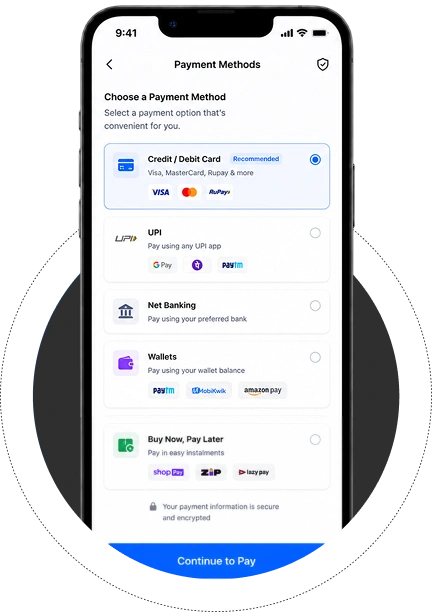
The system should process multiple payment methods, which include credit cards, digital wallets, and UPI in marketplace app development for startups. The company establishes customer transaction protection through its trust-building security system, which includes encryption technology, fraud detection methods, and PCI DSS compliance standards.
Enable Inventory & Logistics
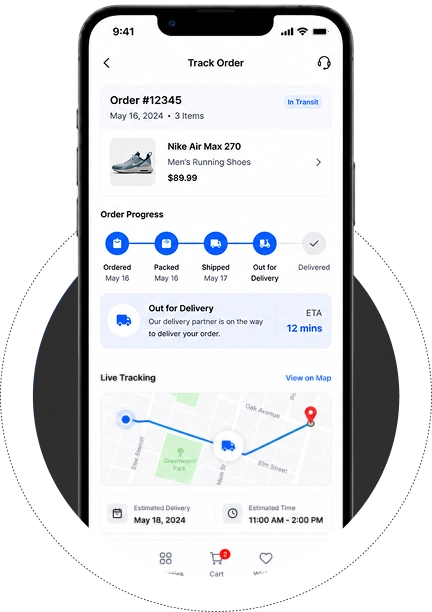
The team will create a powerful inventory system that enables tracking of products in real-time. The system will connect with shipping partners to handle both incoming and outgoing packages while providing delivery information. The automated system brings operational efficiency together with reduced mistake rates, which leads to better customer experiences.
Test & Launch Strategically
The team will perform comprehensive tests to evaluate system performance, security measures, and user interface design. The team will use beta testing to collect user feedback while fixing problems and improving product performance in online marketplace app development. The team will develop marketing efforts to attract new users who will initiate product adoption.
How Much Does it Cost to Build an E-commerce App in 2026?
The average cost to develop buy and sell app would be $5,000 to $15,000 or more. The exact cost mainly depends on diverse factors, app complexity, ongoing support, and the custom layer of the changes.
Why Choose IMG Global Infotech to Develop an E-commerce App?
When you choose our services, you will receive expert assistance from our team, who will create e-commerce applications that are scalable and safe and easy to use. Our developers create customized solutions that help your business to expand.
Expertise in Custom Solutions
Our team specializes in creating customized e-commerce applications that match your business requirements, brand identity, and customer needs to examine the Cost to build buy and sell apps. We deliver distinctive solutions that enable you to stand out from your competitors in the marketplace.
Skilled Developers & Designers
Our developers and designers work together to create interfaces that are easy to use and navigation systems that function smoothly and shopping experiences that attract customers. All features you implement will improve usability while they drive up conversions and build customer loyalty.
Focus on Security & Scalability
Our system includes secure payment gateways together with advanced encryption technologies and compliance standards in classified app development services. Our experts create system architectures that can scale up to accommodate increasing user demands while keeping your application operational for future business growth.
Dedicated Support & Maintenance
Our team delivers continuous assistance together with system updates and performance tracking services. Your e-commerce application will remain optimized and free of errors while maintaining its market competitiveness because we will help you adjust to new market developments and changing customer needs.
Final Thoughts
The evolution of trading systems from basic listing platforms to AI-powered systems is demonstrated by the buy-and-sell applications, which operate in 2026 by the marketplace app development company. The platforms achieve success through their capacity to establish user trust while delivering personalized experiences through their integrated design system.
Developers require a clear message that instructs them to create AI systems that enhance user experience while protecting all system components and developing scalable smart system architecture.
Neeraj Rajput is the co-founder of a leading IT company with over a decade of experience in technology consulting, product development, and digital transformation. With a passion for solving complex business challenges through smart tech solutions, he shares insights on innovation, leadership, and the evolving IT landscape